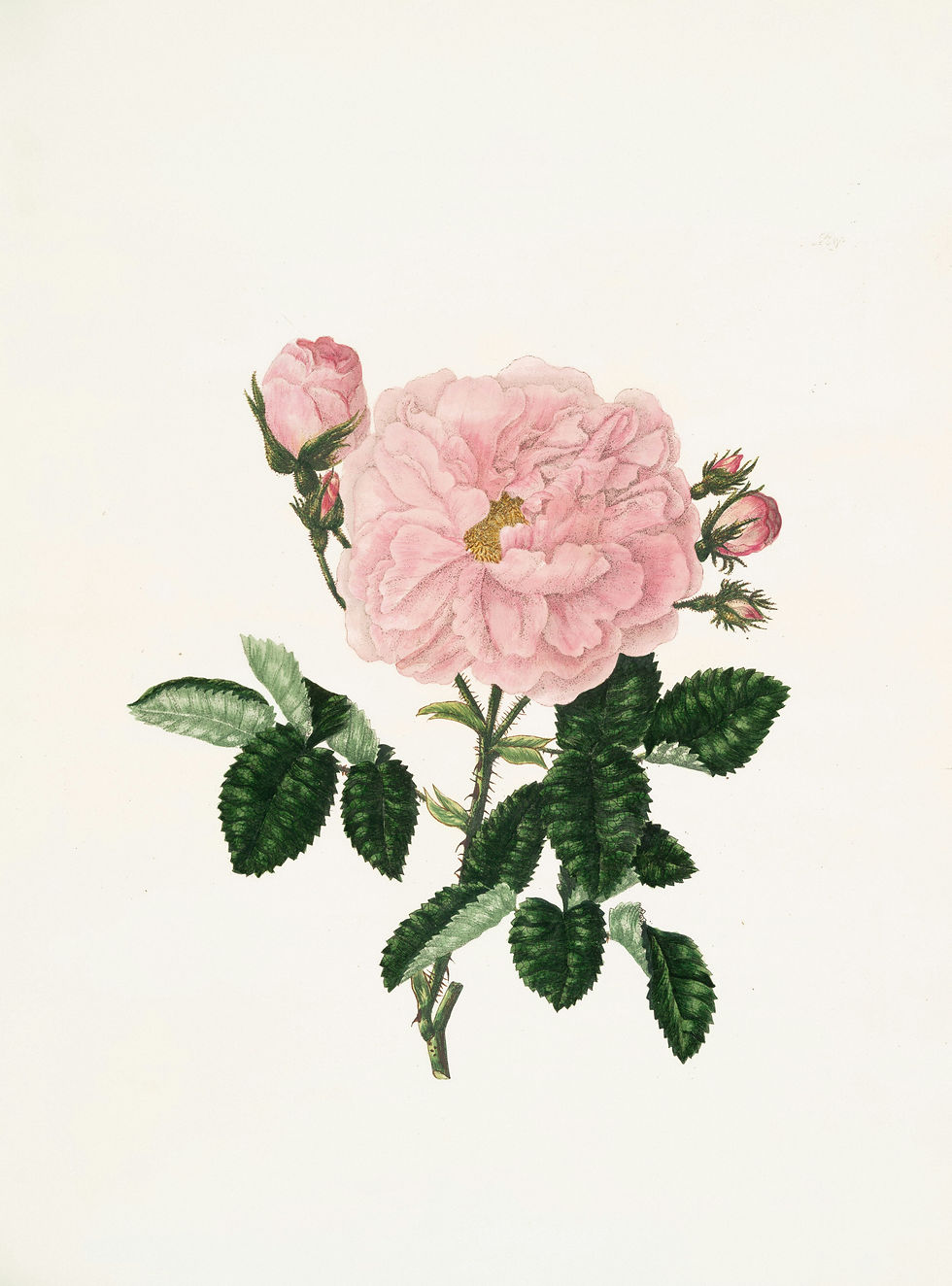
Mentha × piperita
Brush against a peppermint plant and you get a hint of its scent. Open a bottle of its essential oil and that hint becomes unmistakable: green, sharp and intensely minty, with a cooling sensation that seems to arrive with the aroma.
Peppermint has a useful place in aromatherapy, but it asks for a light hand. A little can give a blend freshness and direction; too much can crowd out everything around it.
Why Would I Use Peppermint Essential Oil?
For a fresh start: Traditionally used in inhalation blends when energy or attention feels sluggish. Peppermint’s strong aroma makes it especially suited to brief, intentional use.
For a sense of coolness: Menthol, one of peppermint’s natural constituents, creates its familiar cooling sensation. Aromatherapists sometimes include a small amount in carefully diluted body blends for tired muscles.
For digestive comfort: Peppermint has a long tradition as a digestive herb. In aromatherapy, some people also find its scent welcome when they feel unsettled. The essential oil is much more concentrated than peppermint tea and should not be taken internally.
For blending: Peppermint can sharpen citrus oils, brighten herbal blends and add contrast to warm woods. Try it with lemon, lavender, rosemary or cedarwood, using less peppermint than you think you need at first.
Safety
For external use only; do not take internally. Dilute well before applying to skin, and avoid eyes and mucous membranes. Do not apply peppermint essential oil on or near the face of infants or young children. Use cautiously around children, and seek individual guidance during pregnancy or if you have a relevant health condition. Keep the bottle out of reach of children and pets.
Use in small amounts. It is very potent. It is not recommended in baths, and its use at bedtime might keep you awake!
For more information check out our data sheet https://www.casaromawellness.com/post/peppermint-essential-oils-safety-information-sheet